a complete overview of event planners for Non profits in New Jersey
Bringing Dreams to Life: How Event Planners Can Elevate Your Non-Profit Charity Events
Event planners serve as indispensable collaborators for charitable organizations, turning visionary concepts into concrete achievements. Their knowledge closes the divide between logistics, vendor relations, and thematic creativity. By adopting strategic budgeting and leveraging social media, they elevate revenue-generating initiatives and stakeholder participation. However, the journey from concept to execution is intricate. Knowing how to choose the ideal coordinator and apply proven methods can significantly influence an event's outcome. Which factors will truly determine that achievement?
The Role of Event Planners
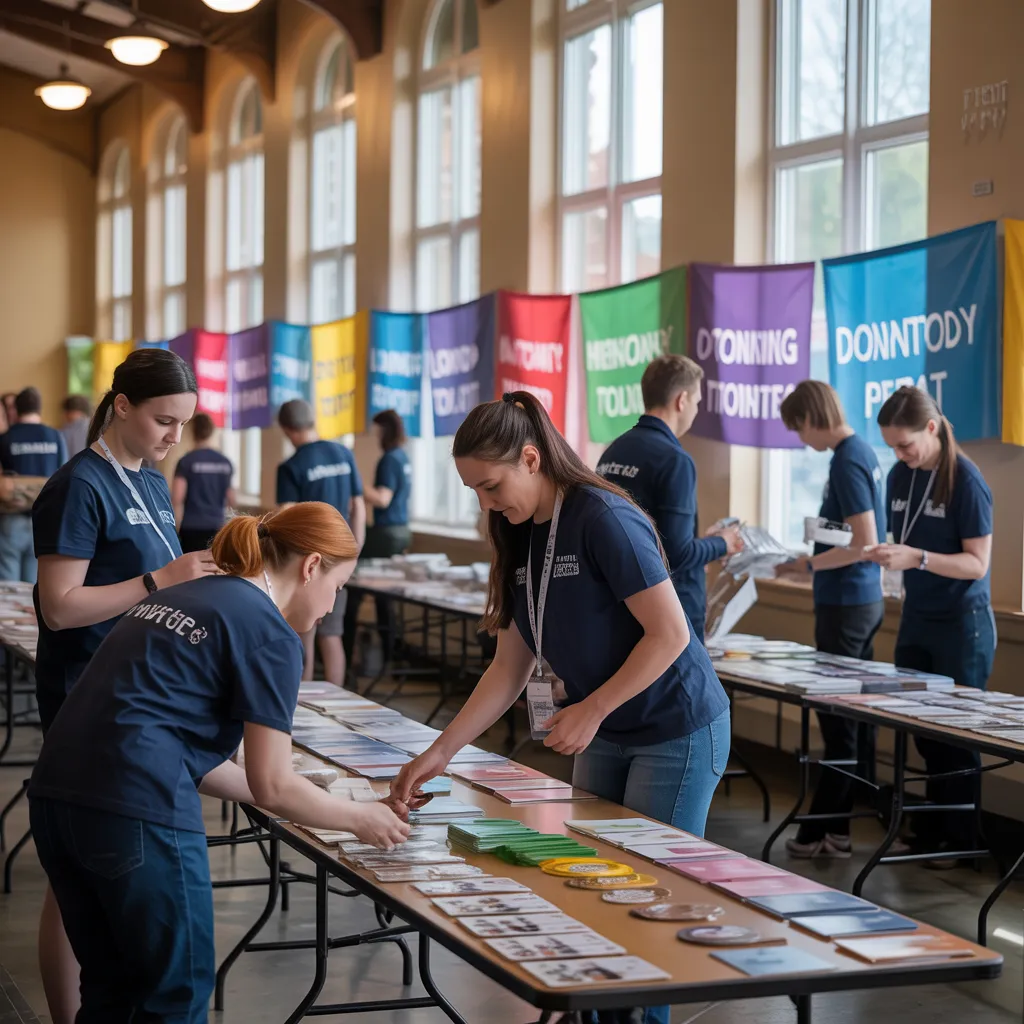
Event coordinators act as the backbone of charitable non-profit events, coordinating every aspect to ensure success. Their main duty entails grasping the goals and vision of the organization, translating these into a cohesive event strategy. They manage logistics, encompassing venue selection, catering, and audiovisual elements, guaranteeing that every aspect corresponds with the event's purpose.
In addition, event planners excel at budgeting, assisting organizations in maximizing their resources while minimizing costs. They cultivate relationships with vendors and sponsors, arranging contracts that align with the charity's financial objectives.
Alongside organizational duties, they also concentrate on marketing the event, employing social media and traditional channels to increase turnout and involvement. By coordinating volunteers and staff, they establish a productive group dynamic, maintaining organized workflows throughout the event. In essence, the position of an event organizer is vital in elevating the overall impact and success of nonprofit fundraising occasions.
Finding Your Event Planner
How can a non-profit organization guarantee it selects the right event planner for its charity event? The selection process begins with identifying planners who have experience in the non-profit sector. Organizations should evaluate portfolios and case studies to assess past successes and relevant expertise. Having discussions with prospective planners provides valuable insights into their grasp of non-profit objectives and values.
In addition, organizations should obtain recommendations from associates or sector networks to verify trustworthiness. Evaluating applicants about their approach to planning, approaches to resolving issues, and goals for the occasion can demonstrate compatibility. Budgetary concerns are just as essential; planners should provide transparent pricing structures that correspond to the charity's fiscal parameters. Lastly, reviewing communication methods is key—successful partnerships rely on transparent and honest communication. By thoroughly evaluating these aspects, a non-profit can effectively identify an event organizer who will powerfully improve its charitable occasion.
Compelling Themes That Engage
What elements make a theme truly compelling for a charity event? A successful theme resonates with the audience and aligns with the mission of the non-profit. It must stir feelings, generating enthusiasm and participation among guests. To illustrate, a "Masquerade Ball" can cultivate a sense of wonder, inspiring guests to engage through memorable shared experiences.
Moreover, themes need to be visually striking, elevating the overall atmosphere and ensuring the event is memorable. Adding interactive elements, such as photo stations or live performances, can greatly captivate guests.
In addition, a clearly defined theme can simplify the event planning process, shaping decisions involving decor, food, and entertainment. By guaranteeing that all facets of the event align with the chosen theme, event coordinators can develop a seamless experience that strengthens the charity's message. In the end, a compelling theme not only attracts attendees but also cultivates a more profound connection to the cause, promoting generosity and support.
Intelligent Budget Planning for Charity Events
An engaging theme establishes the atmosphere for a charity event, but effective budgeting guarantees its successful execution. Effective budgeting requires a comprehensive evaluation of both fixed and variable expenses, making certain that every dollar supports the event's objectives. Experienced event coordinators frequently suggest developing a well-defined budget structure that includes venue expenses, catering, marketing, and entertainment.
Managing expenses strategically is crucial; coordinators stress the importance of recognizing core elements that reflect the event's goals. Moreover, exploring in-kind donations and corporate sponsorships can substantially cut costs, freeing up additional budget to be allocated toward the primary objective.
Regular budget reviews throughout the planning process can help prevent unexpected financial challenges. By maintaining transparency with stakeholders regarding expenses, meaningful partnerships and cooperation can thrive. In the end, thoughtful financial planning not only strengthens the event's effectiveness but also solidifies the organization's reputation, confirming that contributors understand the positive impact of their involvement.
Smooth Logistics Management
Efficient logistics planning is critical for the success of non-profit charity events. This requires efficient venue coordination, optimized vendor relationships, and timely schedule management to guarantee that each element falls perfectly into place. By emphasizing these components, non-profit event coordinators can deliver a seamless experience that maximizes the event's overall effectiveness.
Streamlined Venue Coordination
While finding the ideal venue is crucial for a thriving charity event, skillfully handling logistics can significantly impact the overall outcome. Successful venue coordination requires careful planning, from spatial arrangement to ease of access. Event coordinators must confirm that the location can support the projected attendance while enabling unobstructed traffic flow across the event. Adequate signage, organized seating, and dedicated spaces for check-in and activities are essential for improving attendee participation. Moreover, consistent communication with venue team members is key to resolving any unanticipated problems. By coordinating these details efficiently, event organizers can establish a welcoming environment that enables attendees to concentrate on the event's purpose, ultimately resulting in increased fundraising achievements and community participation.
Efficient Vendor Partnerships
Furthermore, pre-negotiated contracts with vendors can lead to cost savings, which is vital for the budgets of non-profit organizations. A thoughtfully structured vendor network also cultivates fresh ideas, as event planners can leverage the specialized knowledge and creative input of every partner. In summary, well-managed vendor relationships establish a unified and polished environment, playing a major role in the event's achievement and the organization's long-term mission.
Effective Schedule Management
When managing a non-profit charity event, punctual scheduling is essential to guarantee flawless coordination. Event coordinators must create a detailed timeline that addresses every detail of the event, from vendor coordination to guest arrivals. This precise planning decreases the likelihood of delays and ensures that every team member understands their duties. Regular check-ins and updates ensure all parties stay current, permitting swift changes when unanticipated problems develop. Moreover, a properly designed schedule accounts for preparation and teardown periods, ensuring the event space is fully ready for guests. With a commitment to disciplined time management, planning teams can enhance the overall experience, optimizing involvement and contributions to the nonprofit's goals while fostering a smooth execution of the event.
Creative Engagement Strategies for Charity Events
Innovative participation approaches can substantially enhance the attractiveness of charitable gatherings. Including engaging fundraising initiatives, curated event themes, and effective social media strategies can nurture more meaningful bonds with attendees. These techniques not only increase involvement but also magnify the collective influence of the occasion.
Dynamic Fundraising Activities
Captivating contributors in fundraising events calls for creativity, and dynamic fundraising activities can transform conventional events into engaging occasions. Such initiatives not only encourage communal participation but also motivate participants to participate enthusiastically. Options such as live auctions, where participants place bids on unique items, or participatory games that include giving incentives can considerably improve involvement. Additionally, integrating digital tools, like mobile apps for instant fundraising tracking, facilitates instant involvement. Initiatives, such as walkathons or team challenges, can also energize attendees while generating donations. By embedding these interactive elements, event planners cultivate an vibrant setting that not only raises money but deepens relationships among attendees, ultimately maximizing the effect of the charity event.
Themed Event Experiences
Creating themed event experiences can greatly elevate the ambiance of charitable events. When adopting a consistent theme, event planners can create immersive environments that resonate with attendees. Themes such as costume galas, retro markets, or heritage celebrations can boost participation and foster a sense of community. Unique decor, costumes, and activities aligned with the theme can encourage dialogue and encourage participation. To demonstrate, a \"Roaring Twenties\" theme might feature jazz music, art deco decor, and period-inspired cocktails, producing a lasting impression. Additionally, thematic occasions can shape donation campaigns, with bidding opportunities and contribution efforts aligned with the concept. Overall, a thoughtfully implemented concept not only engages but also strengthens the meaningful tie to the purpose, consequently amplifying the event's impact.

Social Media Engagement Strategies
Leveraging the strength of social media can greatly amplify the reach and impact of charity events. Event coordinators can utilize platforms like Instagram, Facebook, and Twitter to generate excitement leading up to and following events. Compelling content, such as live broadcast segments, exclusive behind-the-scenes footage, and live updates, holds audience attention. Integrating interactive elements, like interactive polls and branded hashtags, inspires guests to share their moments, building community connections. Furthermore, developing eye-catching graphics and promotional videos can enhance visibility. After the event, planners should encourage feedback and stories from participants, allowing for organic sharing and strengthening future connections. By utilizing these strategies, event planners can turn social media into an effective platform for elevating charity events and broadening their impact.
How to Assess Event Success
In what ways can event planners successfully gauge the effectiveness of a non-profit charity event? Success metrics can vary, but several key indicators provide valuable insights. Initially, financial performance is crucial; coordinators should measure the revenue generated relative to the objectives defined ahead of the event. Furthermore, guest responses are of great importance; feedback forms distributed following the event can evaluate overall satisfaction and participant engagement. Additionally, social media metrics, including shares, likes, and comments, can reflect the event's reach and community impact.
Furthermore, analyzing the count of donors or volunteers newly acquired acquired during the occasion can indicate long-term engagement potential. One more critical aspect complete guide is media exposure, as enhanced visibility can boost the organization's reputation. In conclusion, event planners should evaluate the overall logistical performance, including actual attendance rates versus registration numbers. By merging these key metrics, event planners can develop a comprehensive understanding of the success achieved by their event and pinpoint areas needing future improvement.
Frequently Asked Questions
How Do I Find Volunteers for My Charity Event?
To secure volunteers for a charity event, one can utilize local community boards, volunteer organizations, and social media. Moreover, engaging with schools and universities frequently produces enthusiastic participants keen to contribute their time and skills.
What Permits Are Required for Hosting Charity Events?
When organizing charity events, event planners generally require permits including outdoor gathering permits, alcohol licenses, and special event authorizations. Rules and requirements change based on your area, so consulting local regulations is essential for compliance and successful planning.
What Are the Best Ways to Promote My Charity Event?
To promote a charity event effectively, one must make use of social media platforms, engage local media, collaborate with influencers, develop visually compelling graphics, and stimulate grassroots word-of-mouth sharing while providing compelling incentives to drive attendance and engagement.
What Are Common Pitfalls to Avoid During Charity Events?
Common pitfalls during charity events include inadequate planning, poor venue selection, insufficient marketing, neglecting donor recognition, and failing to engage volunteers. Resolving these concerns can substantially boost the event's performance and general achievement.
How Can I Follow up With Donors Following the Event?
Reaching out to donors following an event includes showing thankfulness through customized emails or handcrafted messages, sharing event highlights, offering insights into how their donations made a difference, and encouraging continued involvement in upcoming projects.